The Luxman Vintage Website and the Tannoy Monitor Gold Website are about famous vintage products, but also about the continued use of good quality products.
Here I want to tell you about modern "planned obsolescence" policy of todays products manufacturers
of audio and other electronic gear that breaks down after approx. 2 years of service and the reviewers that promote these products.
The nonsense they tell you about todays modern audio gear and their use, telling things that are simply not true, and that this has become general practise.As we all know Tannoy Monitor Gold speakers are not a subject to obsolecence, but the Tannoy HPD speakers had a major problem in time:
the notorious surround rot, an issue caused by Tannoy that used to make wrong decisions about parts properties, aging research and pricing policy in the 1980 's.
A typical design and component choice error made by Tannoy (HK at the time).


Tannoy HPD 315 with rotted surround.But not only by Tannoy as you will see below.
Very often however it is not a design error as Tannoy made, but planned obsolecance that causes the break down of a product.
Manufacturers want to sell more products as they want to generate more profit. So by design their products
break down after a planned period of use by the customer. After the breakdown the manufacturer offers no service and so the circle is round: the user buys new.
This planned obsolecance got introduced in the 1950's in the US and not much later in the whole world.
Many audio gear suffer from typical planned obsolecance defects. There are temperature errors, high voltage errors, noise errors, high current errors,
in chip counters, and many more. It is usually quite easy to determine what a manufacturer has in its design planned for obsolecance.
Today there are also product binding practises that speed up the obsolecence of a product, as we all know the problem
with the power supplies and batteries of cell phones, ipods and the cartridges problem of printers.
Should you be aware of the planned limited life of the things you buy?
Do you want to pay for planned obsolecance? Or do you not care?
One thing is a fact, today more and more people are concerned about this issue and they support strongly the reuse of older gear,
the repair of defective gear. The 2nd hand product is popular again and on the internet there are many websites selling used products.
Many people are updating old gear to get their stuff up to modern standards, without buying new stuff.
The "repair cafe's" are a typical example of more and more people being concerned about the piles of waste poluting our countries,
they are keen on getting their gear repaired and are helping each other in a friendly and productive concept.
Below a few typical examples of this planned obsolecence phenomene.
English HiFi stereo amplifier
Cheap building practises by an English amplifier manufacturer.
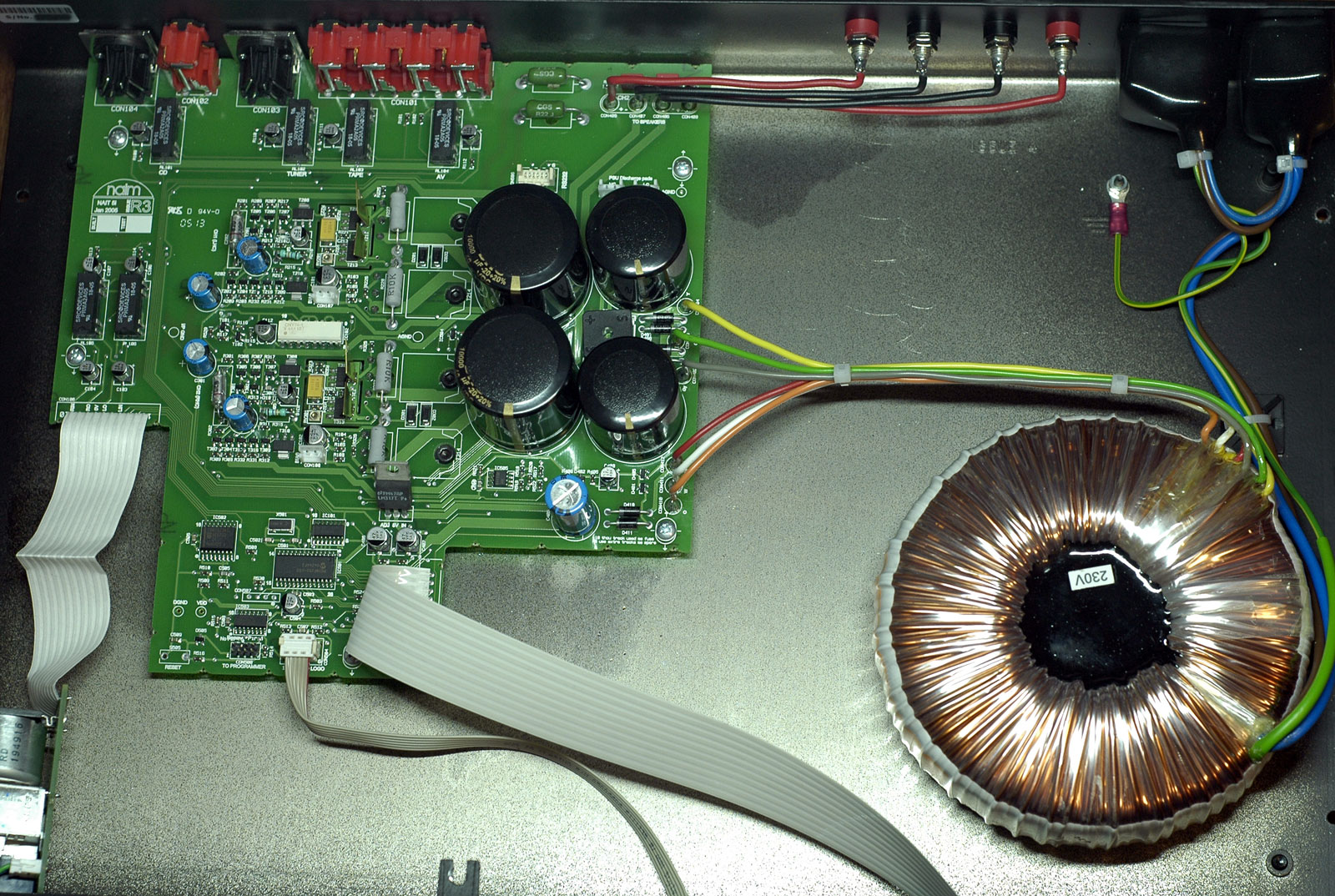
Here you see an example of a well known mainstream modern audio amplifier of 2 x 50 Watts, compact pcb
and slick build, good transformer, no comments at first glance.
When however you have a better look, zooming into the picture, you see this:
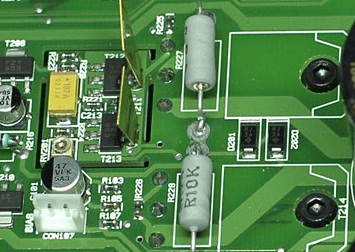
An example of cheap heatsinking by an amplifier manufacturer, this way of heatsinking is not without consequenses.
This is a photo of the driver transistors and how this manufacturer thinks about heatsinking.
The drivers have some fin that breaks off easely and the power transistors are screwed to the bottom of the box.
One thing is clear here: this goes wrong under some conditions, even considering modern SMD components
have better temp. properties than pure discrete parts, it is also a way to cut costs and be sure life of this product is limited.
Problems that you find in ALL Luxman amps of this L200 series model.
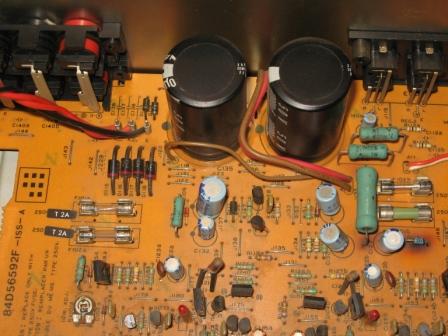
Burnt pcb in a Luxman amplifier L230.
Here a Luxman L230 amplifier board. The big resistor gets very hot and the zenerdiode gets over 100 deg. C. it heats up the capacitor
on the left side of it and this gets up to 90 deg. C. Resulting in a breakdown of the capacitor and the complete lamp-circuit.
Now the amp is out of order and does not work anymore. An upgrade of the circuit is neccesary as the power design has to be changed.
Changing lamps to leds is best done here, all problems are solved when this is done.
Strong, how strong? strong lasts 3 years and after that its not so strong?
The same problem is found in many switching power supplies of audio and multimedia gear.
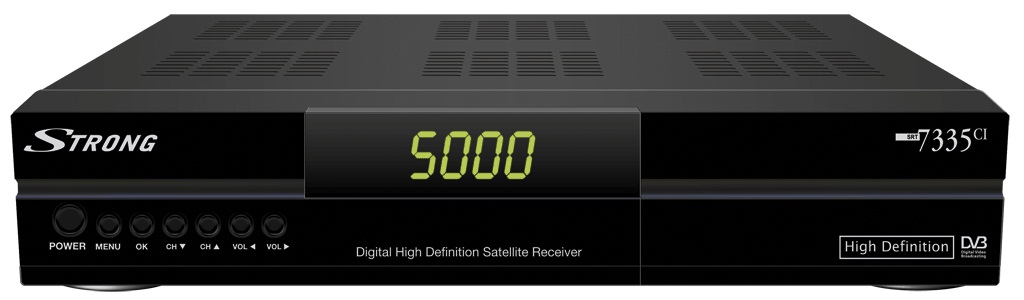
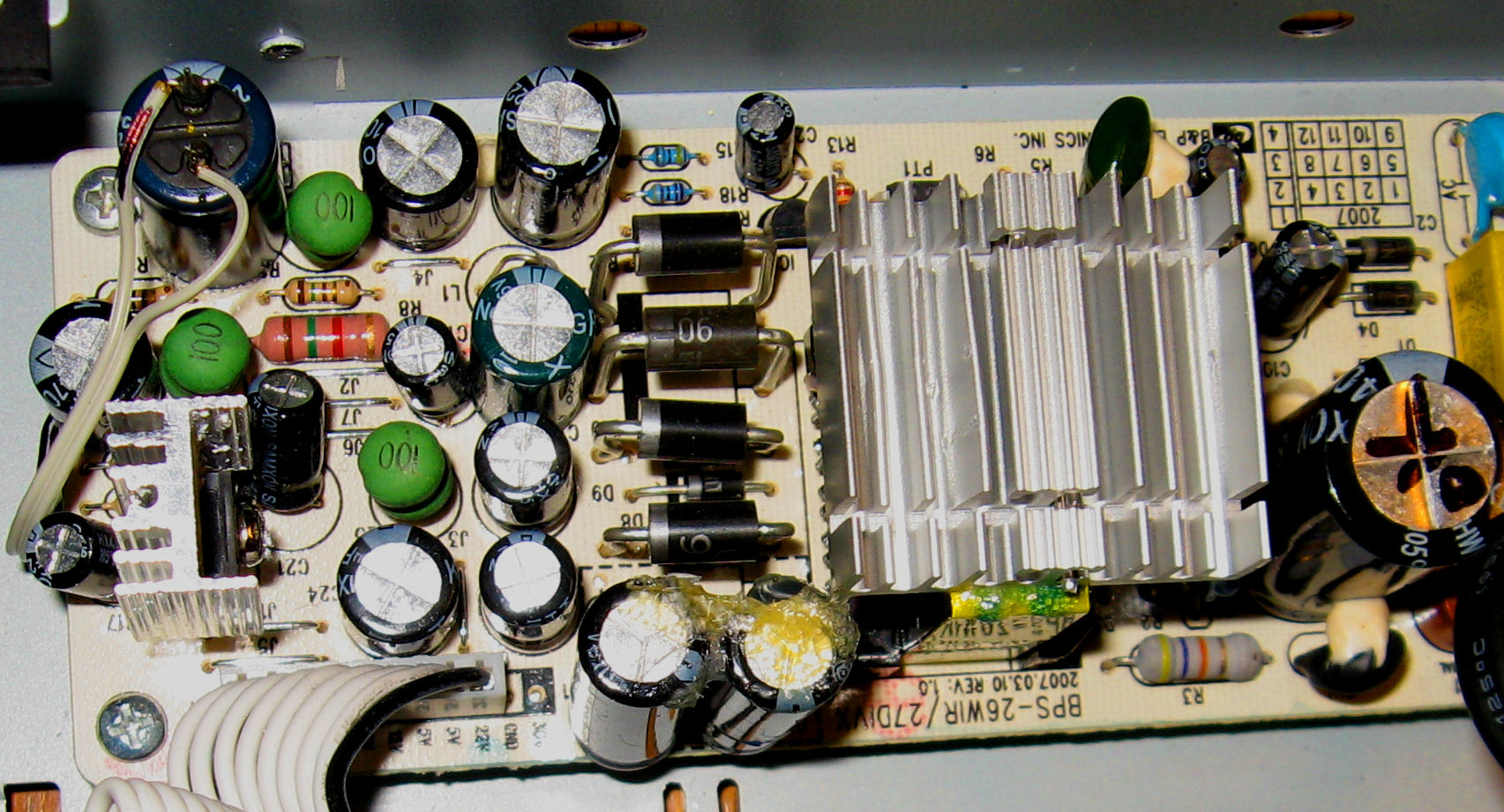
As an example here the Strong SRT7335CI satelite reciever. The power supply gets so hot, specially in summer,
that it breaks down, it makes the reciever obsolete due to too high repairing cost.
I have measured the temperature of the parts in the involved power supply and got values above 80/85 deg C.
Heatsinking these parts helps but does not solve the problem.
I had to add diodes, capacitors and heatsinks to get temperatures under control in this reciever.
Strong satelite reciever, obsolete?
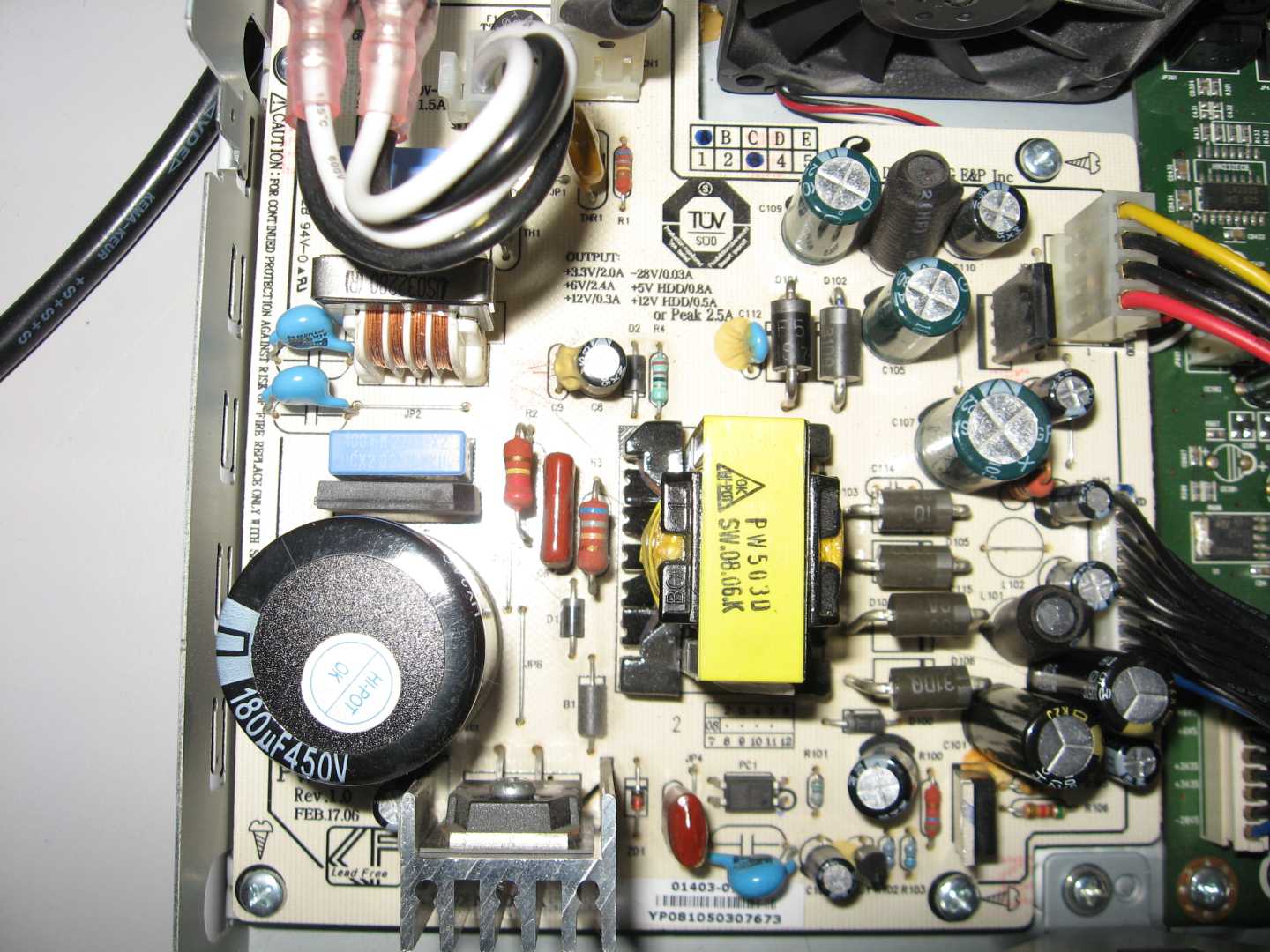
The modified power supply of this reciever shown below.
There are also diodes added on the copper side of the pcb, that diodes I obtained from an obsolete computer power supply
and are fast switching shottky diodes, now the temp. of the power supply is around 60 deg C, even after a long operating time.
Updated power supply unit, initially suffering high temperatures exceeding 85 deg C. causing an early death of the reciever.
Electronic parts temperatures of up to 60 deg. Celcius is an average value that not should be exceeded in electronics.
Many manufactureres are not worried when their product power supply measures above 80 deg. C. at normal daily use of the equipment.
The obvious result is short life of the gear and that is exactly what manufacturers want, once the warranty time is exceeded and
the minimum life expectance is over, the customer should be willing to buy new. Here developes a sharp contrast in interests,
as the customer wants his gear to last long and not polute the enviroment, he also wants to be involved in the decision when
the equipment is obsolete, high repairing cost after a short life does not make the customer happy.And there is an even more significant problem with this receiver, since 2012 many HD broadcasts, like in Germany,
are in a different HD format specification and Strong is not providing a software update to solve this problem,
making this receiver unable to receive HD broadcasts properly, and HD is what this receiver is designed for in the first place.
After 3 years of use its in fact obsolete, what do you think should the user buy a new receiver because of this?
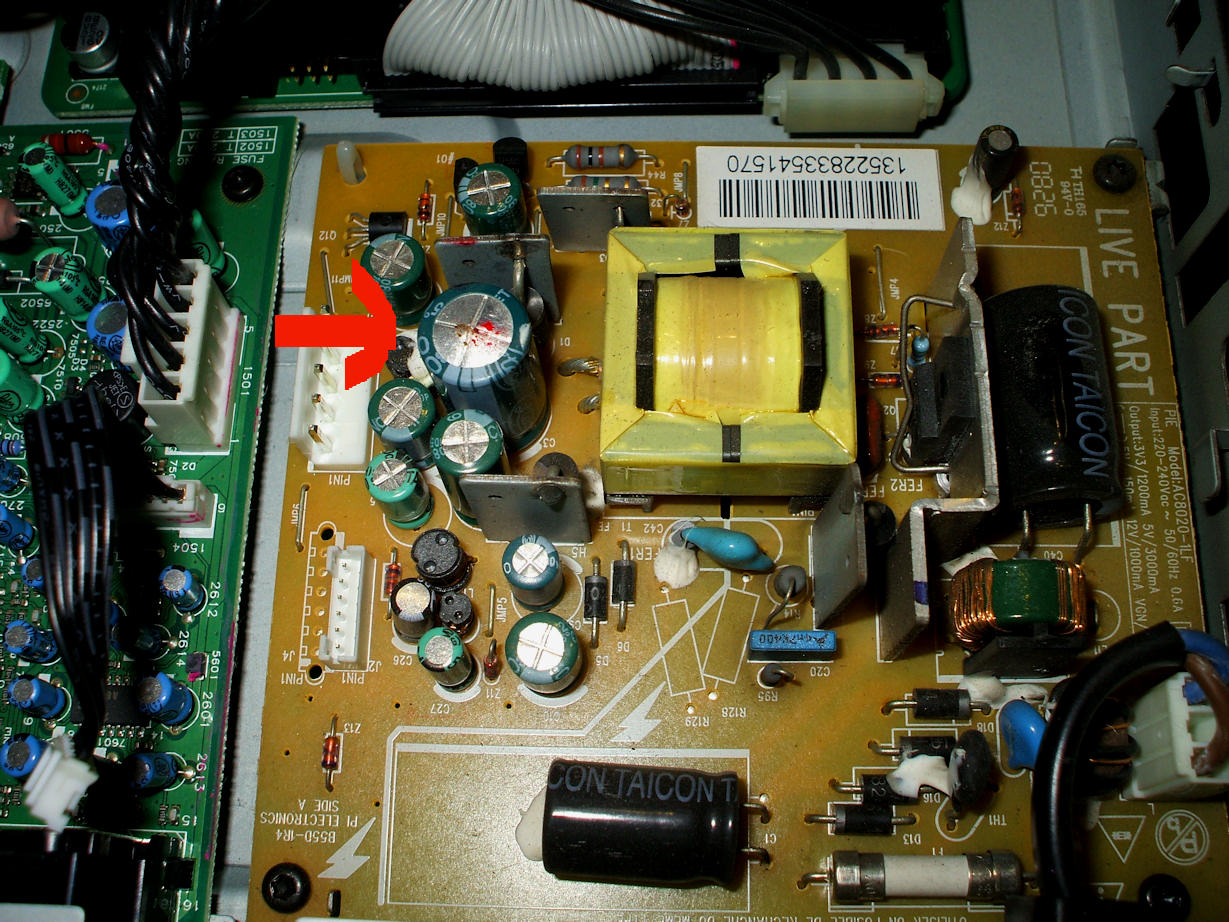
PC's and motherboard obsolecence example Medion,
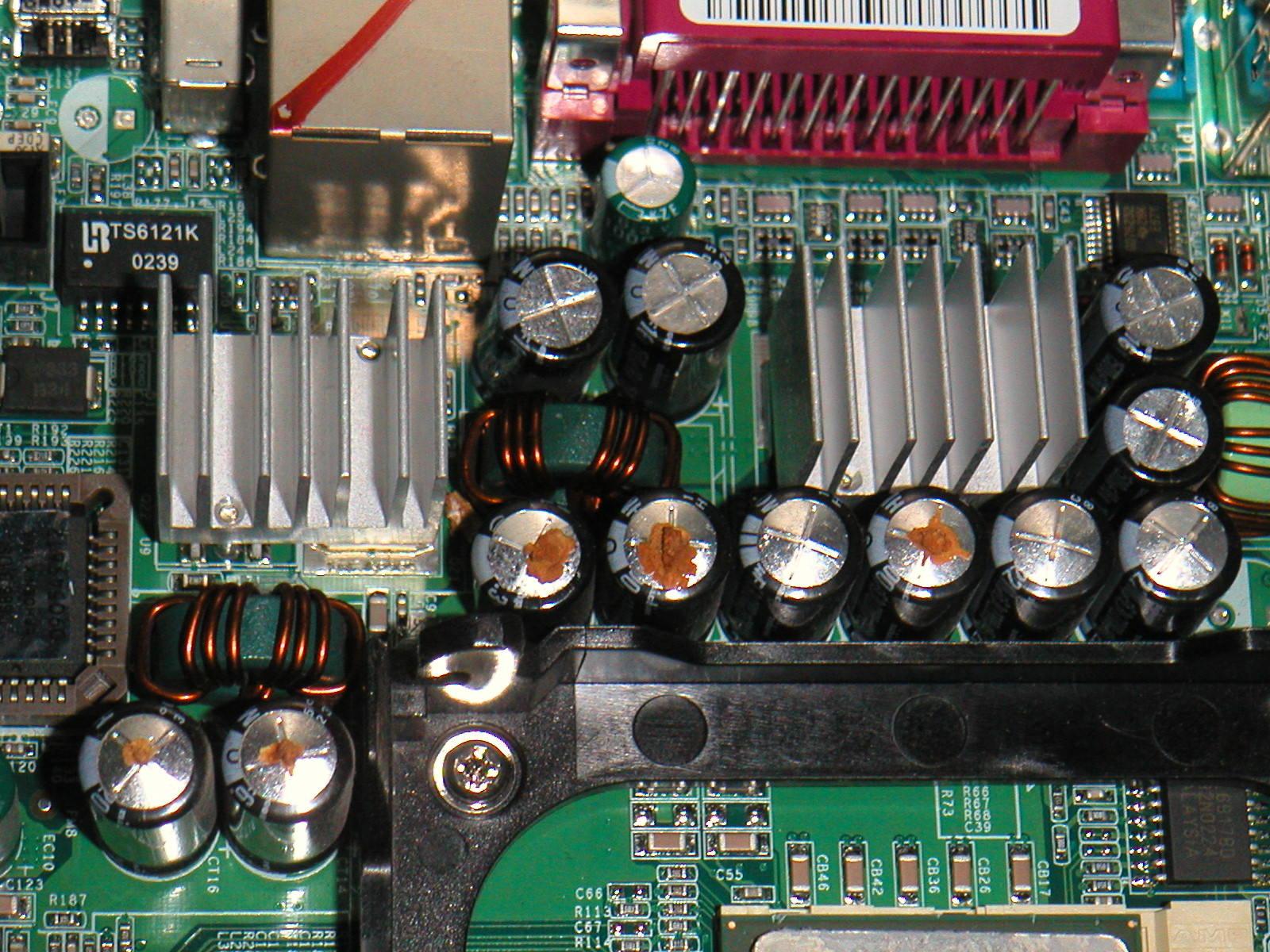
For this Medion pc motherboard power supply section all help came too late, the unit is dead.
Another problem that is by now quite common: blown capacitors. Not only in pc's but also since ~1980 in audio gear.
The manufacturer of this board, Medion Germany, did not replace the board and rejected the warranty claim by the owner
after little more than one year of use.
This obsolecence policy by Medion is completely unacceptable. As this is a serious design and component choice error made by Medion.
This again underlines the planned obsolecence policy of several manufacturers, the result is: the customer never again buys Medion.
The Humax problem, as many customers are convinced this is the best you can get, but is it the best?
Above a Humax reciever with problems making it obsolete? This is a cable reciever version with internal harddisk.
The Humax recievers are notorious for the bad quality of their power supplies.
Here you see a Humax powersupply that has broken down and repaired and updated. The problem was that some capacitors exploded.
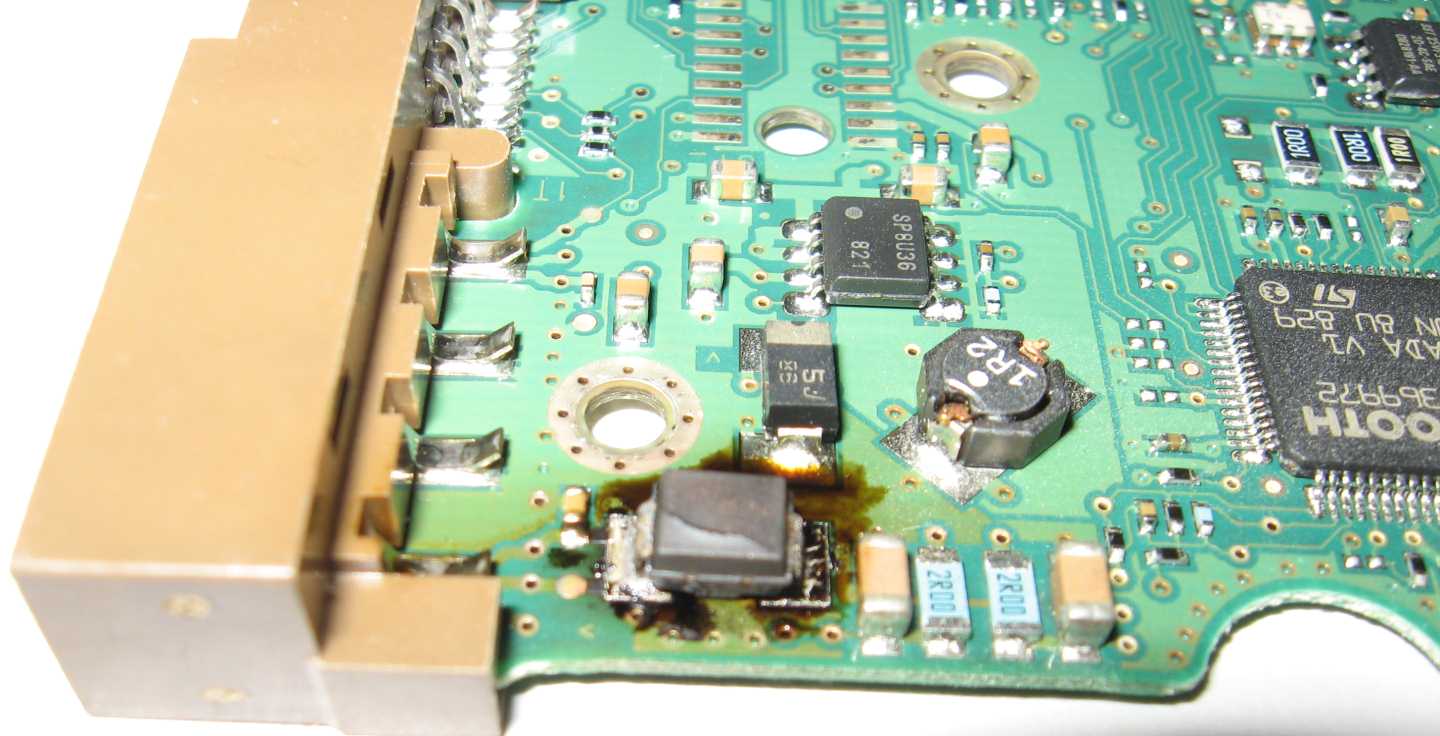
Also the internal HD was broken. The power supply should bring 5V and 12V to the HD, but it was in fact 5V and 13,6V, so consequently
The pcb on the HD burnt:
The diode was after all not capable of handling the exceeded voltage and current coming from the bad power supply.
The reciever broke down.
Too early to call it obsolete after a few years of use? The repair would cost around $100, plus a replacement harddisk.
Philips gear:
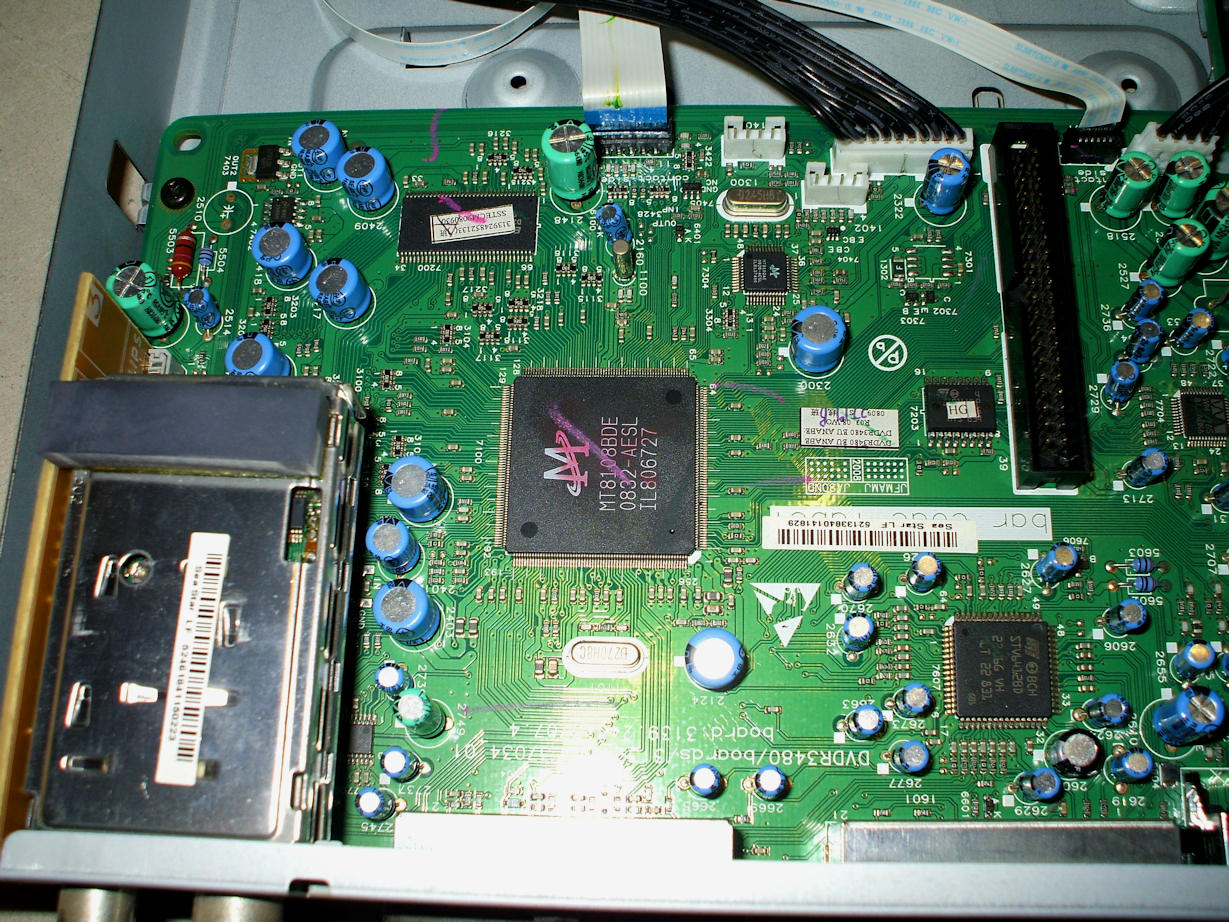
DVD recorder from Philips bought in 2010, broken power supply capacitor: dead recorder.
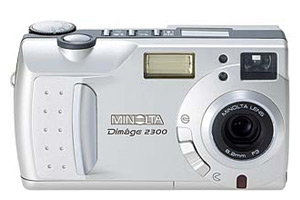
Minolta Dimage 2300 digital camera broken
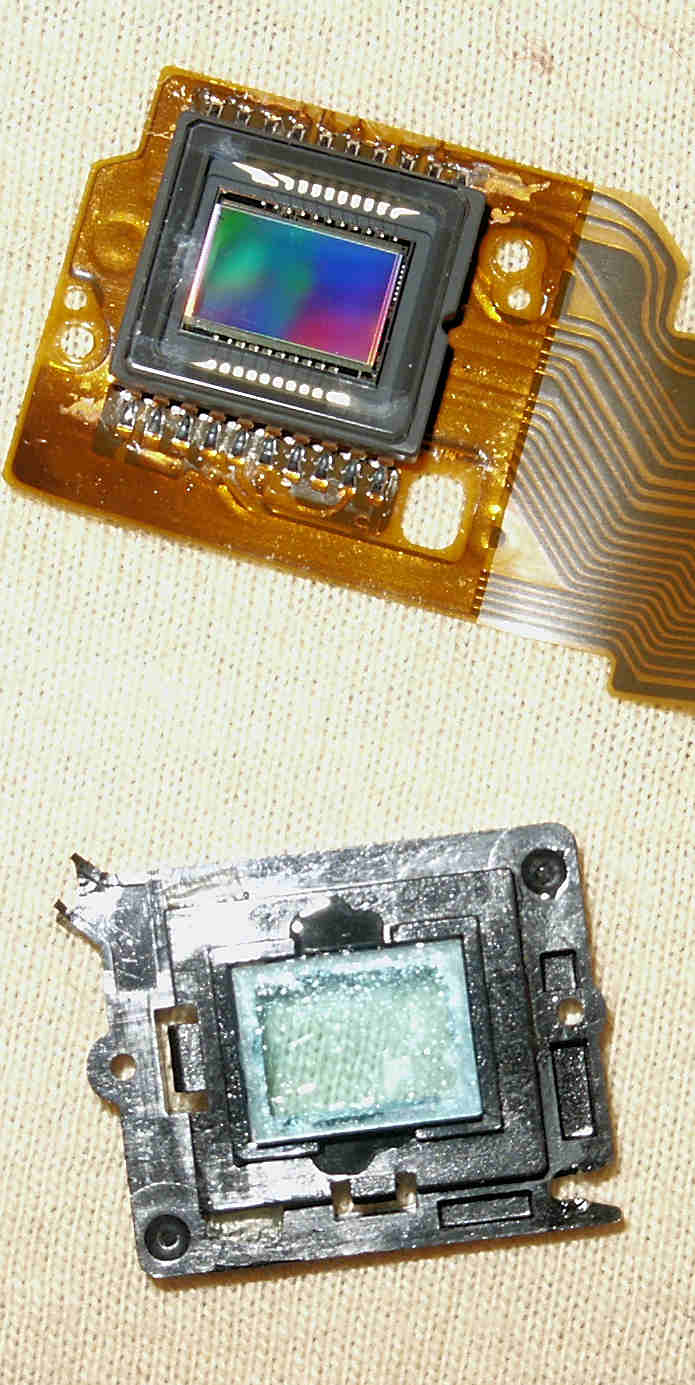
The digital camera Minolta Dimage 2300 produced around 2000 has similar problems that make the camera after
approx. 5 years of use worthless. On the picture you can see that the CCD is still 100 % but the color filter that
resides in front of it is blurred and making it impossible to make pictures with the camera. The bad quality glue
used between the 2 filter glass parts got visable and blurred the filter. Clearly a production error known also
on other camera models, so the question is how long should a digital camera work properly?
Minolta was bought by Sony, have they solved the problem?
The blurred colour filter making the camera useless.
HDMI autoswitch sold under several brand names does not work
This HDMI autoswitch does not work correctly in many situations as this device does not meet
the HDMI standards, that makes it unusable and worthless.
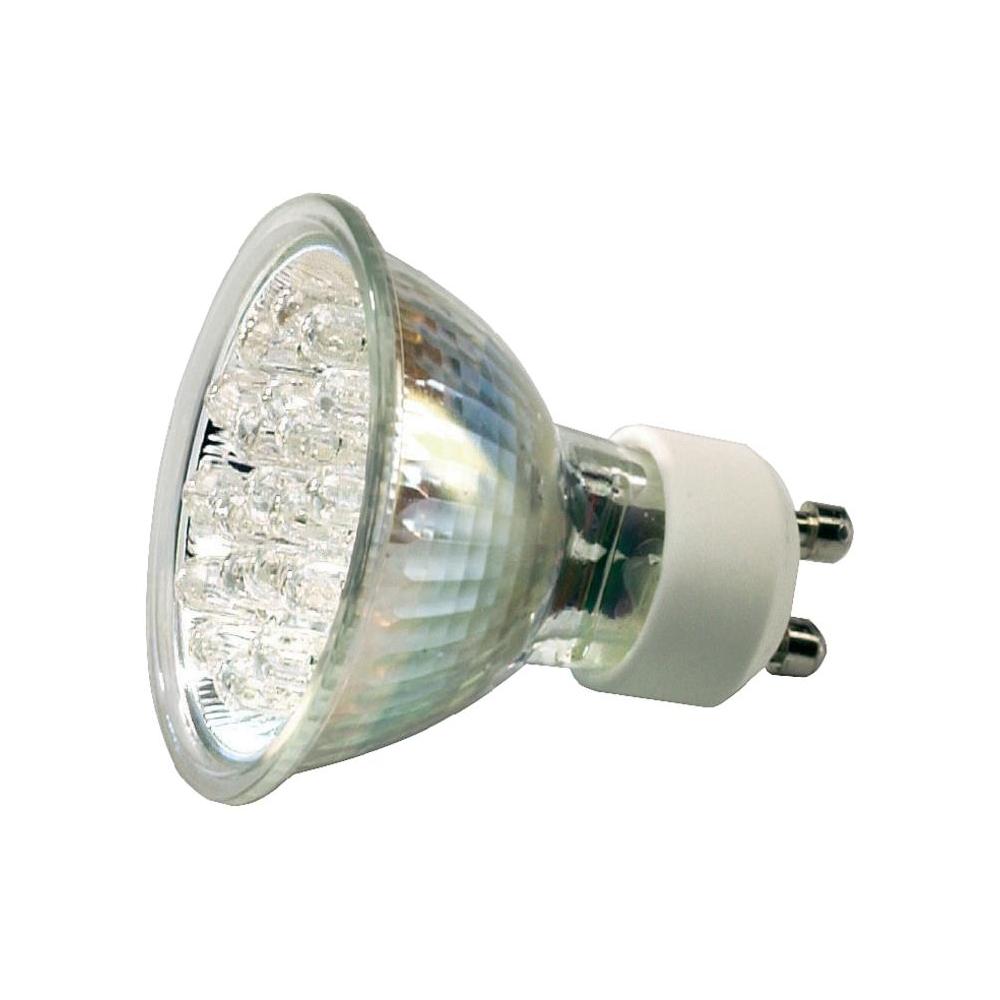
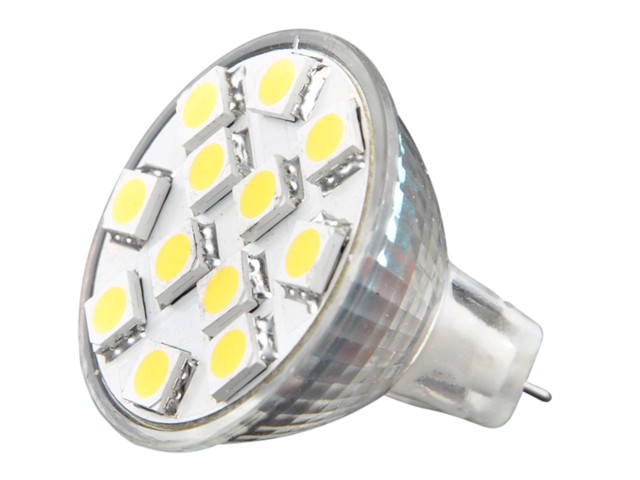
Led lamps build quality and the life of 10.000+ hours claimed.
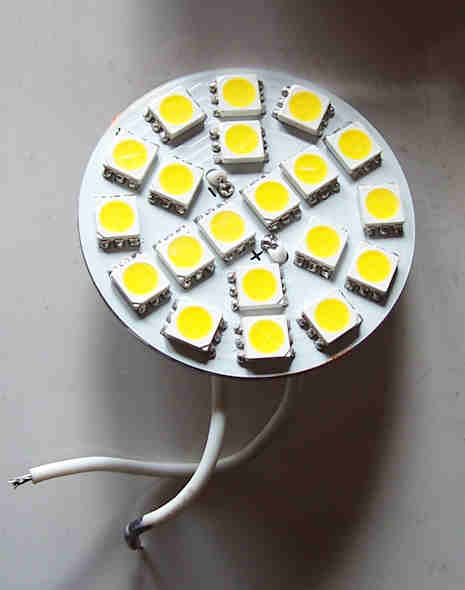
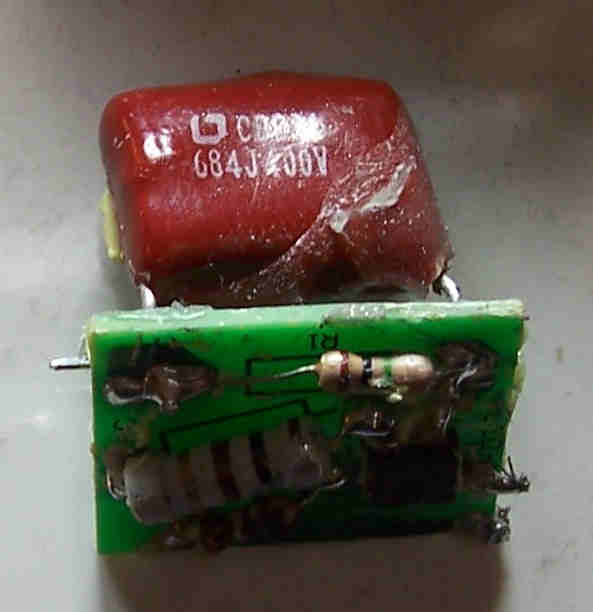
This is a led-lamp cracked and you see the power converter-pcb and the led-pcb with the power leds.
The claim of 10000+ hours working time appeared to be complete nonsense here,
as 5 leds were broken after 20 hours, making the lamp obsolete. I have thrown away money again......
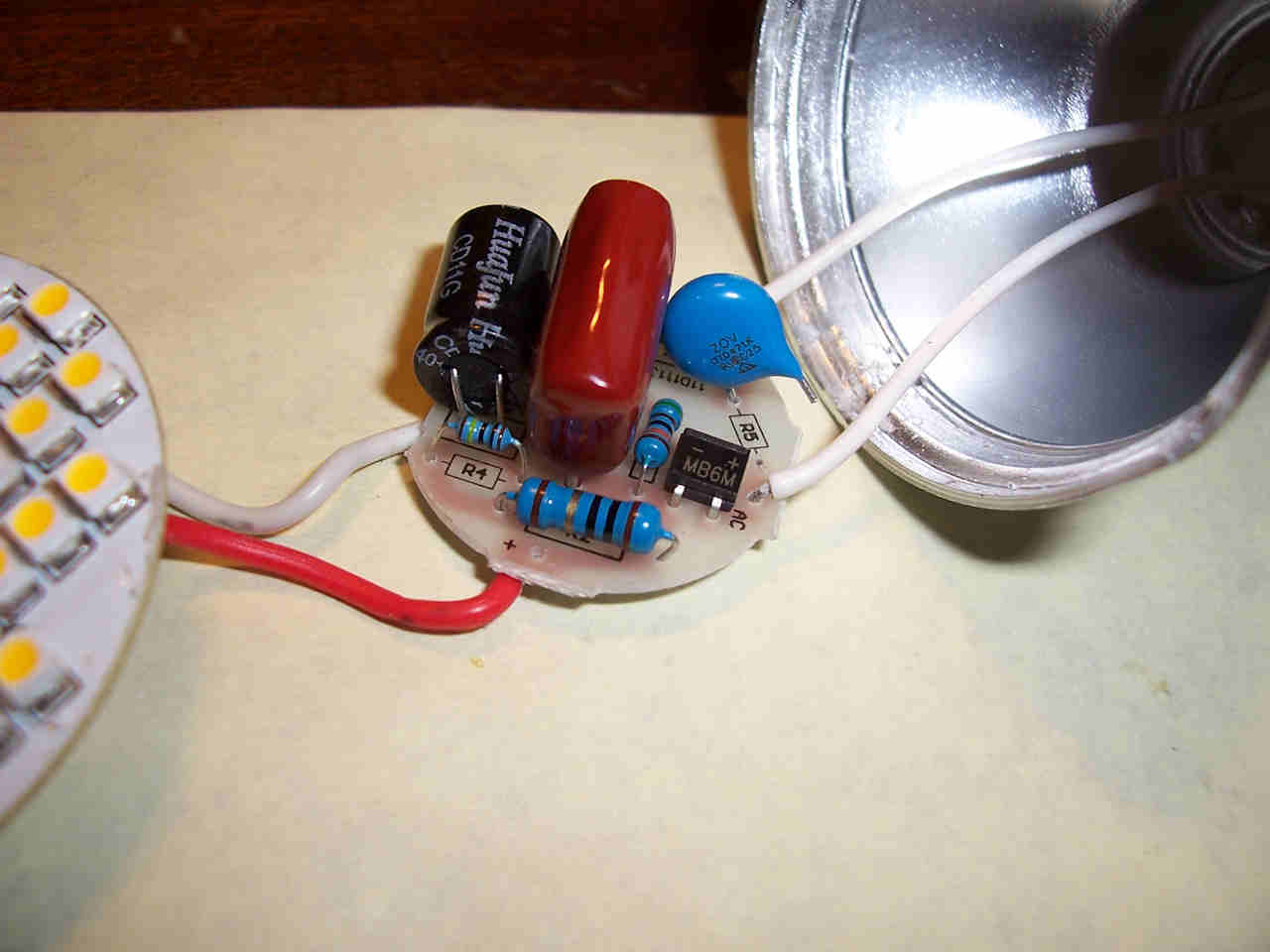
and yet another ledlamp
The ledlamp above broke down after less than 10 hours of service, as you can see the blue resistor R5 got disconnected.
How I do not know, was it dropped? After reconnecting the resistor the problem was not solved, what you cannot see
is that the resistor in front, R2 of 10 Ohms is defect, it is intermittant and had an average resistance of 80 KOhms.
After replacing this R2 the ledlamp worked fine again. This is obviously a bad quality ledlamp, the parts are badly
soldered on the pcb and the pcb is of low quality. Usually this is a waranty issue, but what if you get a new lamp
of the same bad quality? Will you get your money back?And yet another brand new ledlamp broken, 5 leds stopped working after the lamp got over 100 deg. celcius after only 4 hours
of working time, even the internal glue melted and I burnt my fingers:Here is the result:
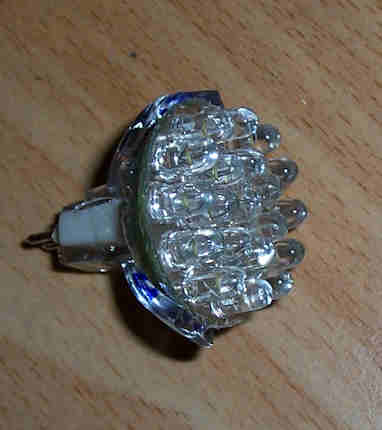
the TDII lamp sold at Lidl Germany, useless!!! ^
The defective power converter in the middle caused the breakdown. ^
The today sold ledlamps are now building up a bad reputation, is it too early they are getting the label: notorious?
And not only because of the bad quality of the ledlamps,
but also because there is only one way to discribe the light stream: in Lumen.
Reading the Wattage as we used to do, has no meaning here, and many manufacturers do not say how much
their ledlamps are in Lumen.
Companies like Osram do not mention any lightstream in Lumen for their ledlamp products,
leaving customers in the dark about their products.
So for a customer its not easy to find the right modern lamp, as the usual incandescent lamp is not sold anymore and the average
fluorescent lamp has never been what they promised, that leaves us the ledlamp that is getting a bad reputation already.
Laptops and their obsolete batteries
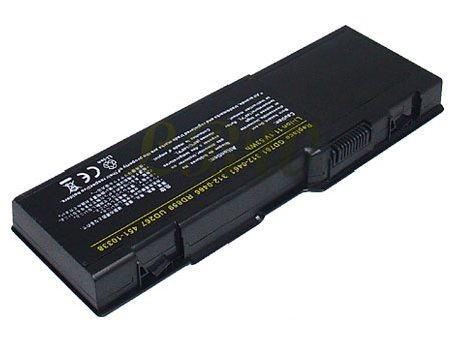
Than there is the Laptop Battery, that is really a costly problem for the customer that buys a laptop in good confidence.
I did and expected my laptop to last for say 4 years, NOT!!! Most batterys break down after a year of use.
They are expensive to replace, my advise: buy the cheapest replacement you can find,
as they are as good as the most expensive replacement.
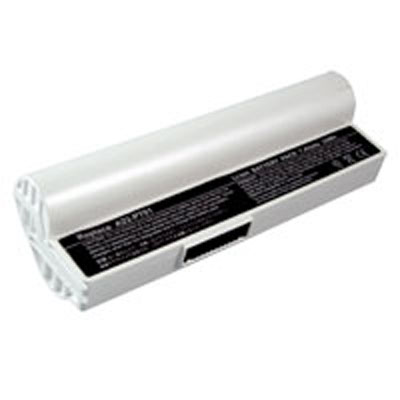
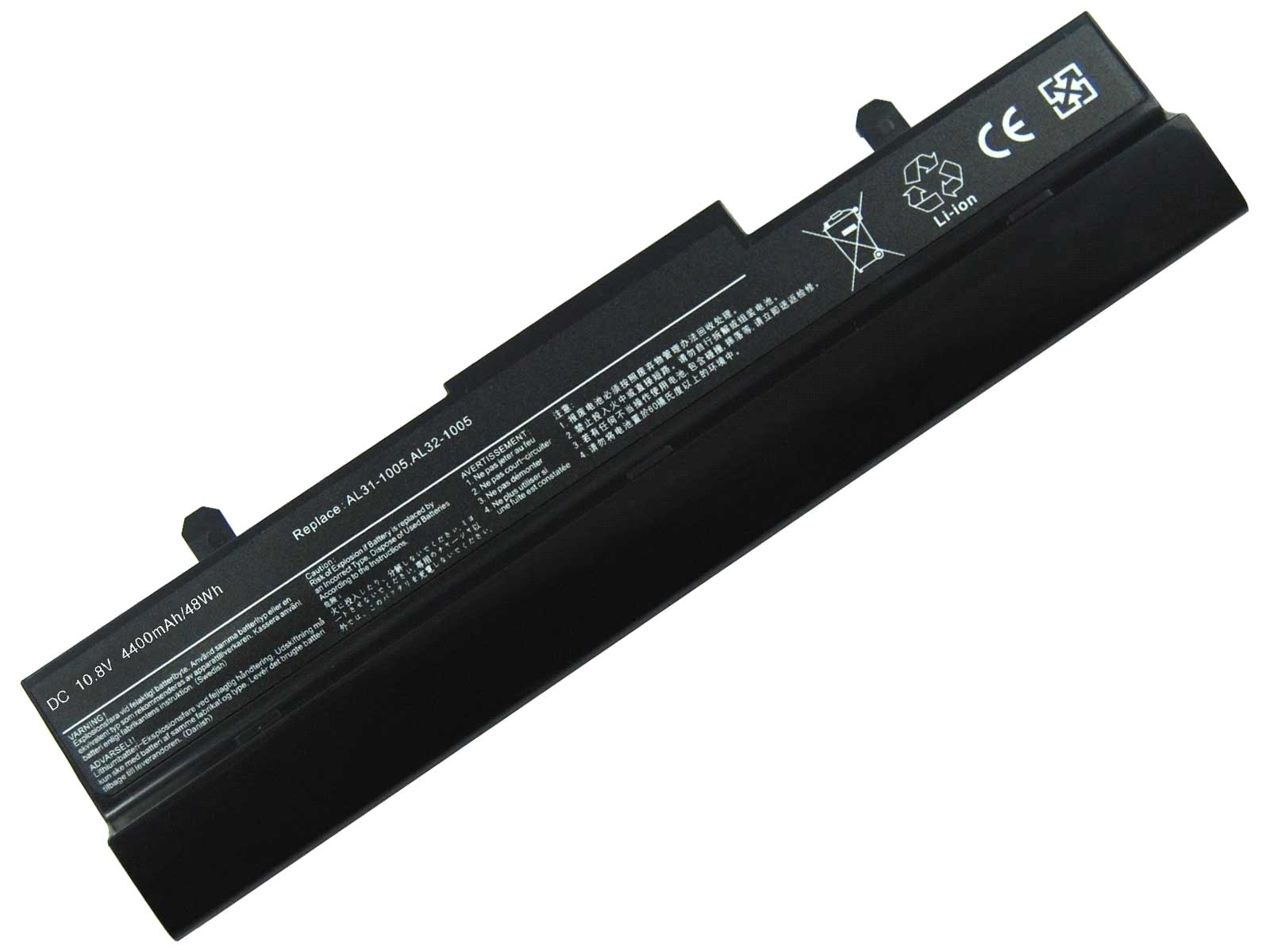
For my Asus Eeepc the replacement costs $65, I bought a $25 battery from a German supplier, ist ok!
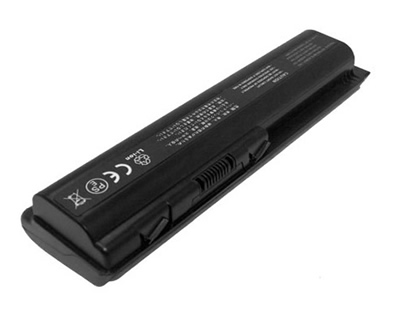
For my HP DV5 the replacement battery costs some $90 I bought a cheapy from China for $29,
it did even come with a user manual, and ist as good as the original HP.
Dell batterys are already notorious, several models I had the battery did not last a year,
even the original Dell expensive replacements died within the year.
Dell batterys all broken every time after 1 year Asus Eeepc battery broken after 10 months
HP battery broken after 1 year Asus battery wearing off after 1 year
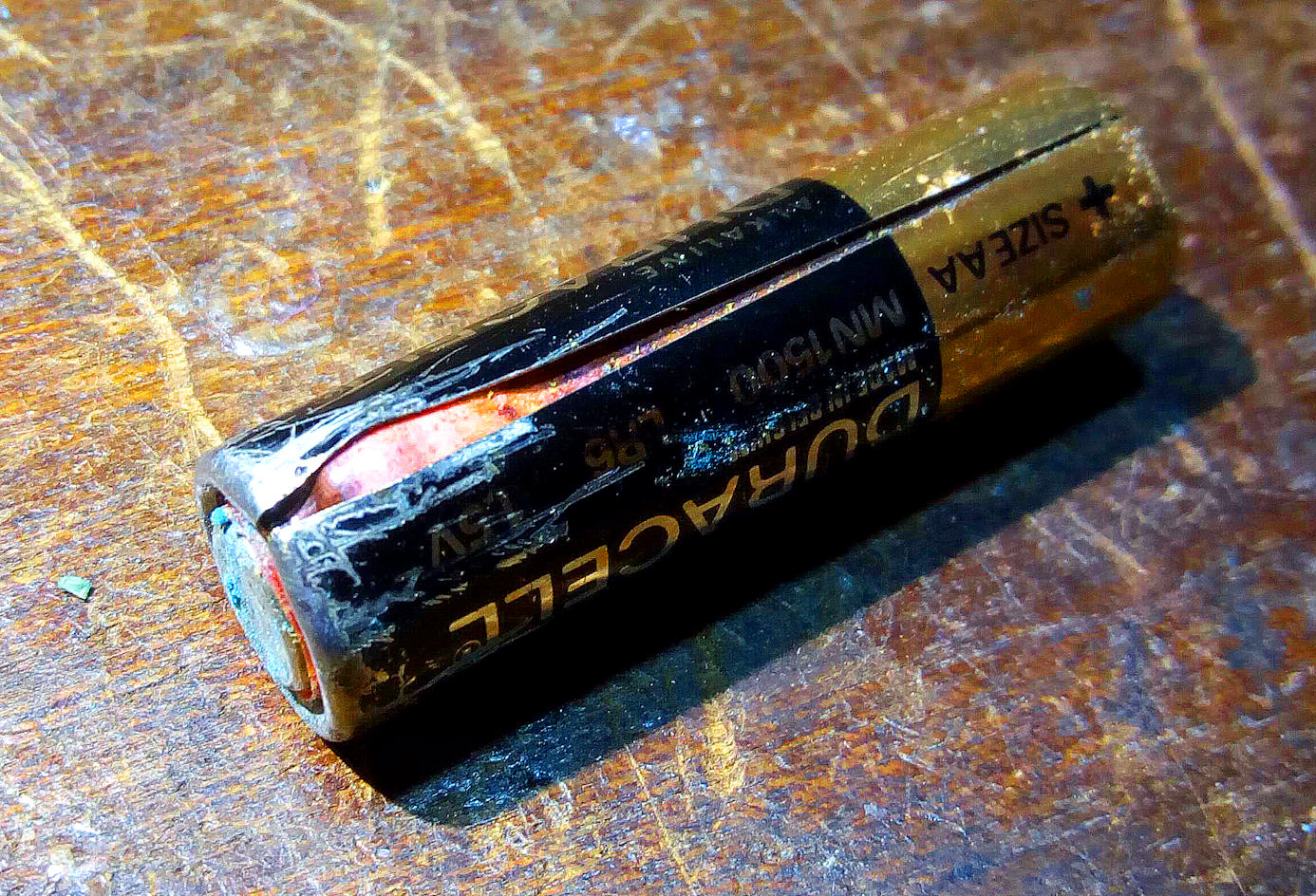
And then: here is the leaking battery scam: Duracell, Eveready, Energizer
and all these brands: they never succeeded in making a "non leaking" battery: AA, AAA. 9V etc. etc. they all leak!!!!!!!!!!!!!!!!!!!Many of my gear is broken by these scam batteries.
I will always put leaking batteries in the waste bin and never offer them for recycling: there is simply nothing to recycle:
its a scam!!!!!!!!!!!!!!!!!!!!!!!! Thank you idiot manufacturers for breaking my radio's and other electronics.
Did you know that only approx. 10% of the obsolete products are recycled or reused?
In developed countries, electronics recycling takes place in purpose-built recycling plants under controlled conditions. In many EU states for example,
plastics from e-waste are not recycled to avoid brominated furans and dioxins being released into the atmosphere. In developing countries however,
there are no such controls. Recycling is done by hand in scrap yards, often by children.photo: Scrapmonster, text part: Greenpeace.
What side are you on? The customer side or the producers side?
How do you look at the waste caused by so many obsolete products?
Did you know: You can make a difference!